


0
años
0
películas
0
artistas
0
premios

History

Background & training:

At the age of 17, I enrolled in the National School of Economics at UNAM. My interest in film, however, began much earlier, inspired in large part by my mother, who was an avid film lover.

While I was in high school, an unexpected opportunity arose: students who wanted to be exempted from literature class could participate in the school production of Vicente Leñero’s Los Albañiles (The Bricklayers), which would be performed at the end of the year in the school auditorium. Rehearsals would take place during class hours.

That immediately caught my attention. I thought, “This sounds like a good idea—anything to avoid that class. How many lines could they possibly give me? Ten? Twenty?” So I raised my hand.

During rehearsals, however, I discovered something that completely changed my perspective: in theater—and in the performing arts more broadly—it is not only what you say that matters, but how you say it. That experience awakened my love for the arts.

Alongside my university studies, I studied acting at the Andrés Soler Institute, and acting ultimately became one of my greatest passions.

Acting Career

My most active years as an actor were between 1974 and 1980, although acting is a profession one never completely leaves behind.

  • Theater

    I appeared in classic works by William Shakespeare, including: THE MERCHANT OF VENICE MACBETH Teatro Hidalgo | 1974–1975 I also appeared in commercial theater productions including: THE IDIOT with Veronica Castro

    EACH ONE HIS OWN LIFE Teatro Lirico | 1976 with Carmen Salinas, Chataluga, Rafael Inclan and Güero Castro

    THE MIRACLE OF CHRISTMAS Teatro Lomas Verdes | 1976 with Sergio Ramos “El Comanche,” Ruben Rojo and Gloria Alicia Inclan

    Con Sergio Ramos “El Comanche”, Rubén Rojo, Gloria Alicia Inclán.

    THE IDIOT Teatro Insurgentes | 1977 with Veronica Castro and Juan Ferrara

    HISTORY OF HIM 1978 A production about the life of former Mexican President Luis EcheverrIa Álvarez, starring Susana Alexander and written by Maruxa Vilalta. The play received the Juan Ruiz de Alarcón Award and the El Figaro Award for Best Play of the Year. One of the production’s most distinctive features was that only 11 actors portrayed a total of 87 characters.

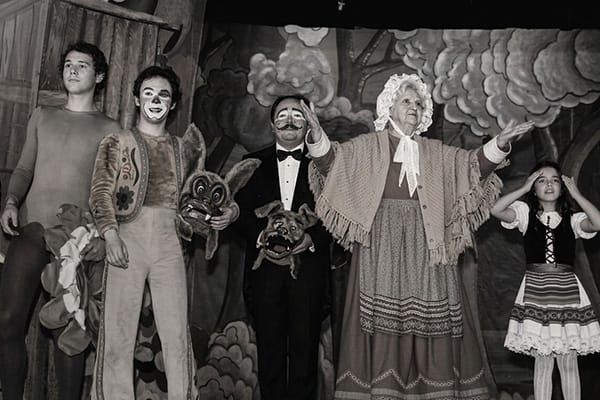
    LITTLE RED RIDING HOOD National Tour | 1978 With Sara García, known as “The Grandmother of Mexican Cinema” and Graciela Mauri.

Television

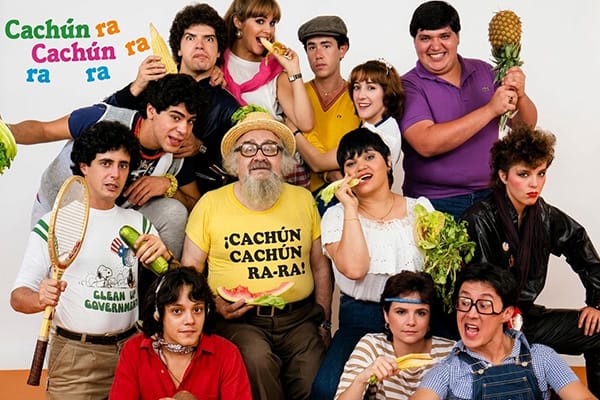
I appeared in television series and telenovelas including Gabriel y Gabriela, with Ana Martin; Muñeca Rota, with Dulce; and Maria Jose, with Fanny Cano. I also worked with Los Polivoces and appeared in commercials for several leading brands of the time. I later joined the cast of Televisa’s Cachún Cachún Ra Ra!, playing the character Paco.

The series became a major television phenomenon in the early 1980s, breaking ratings records and attracting a large youth audience. It remains one of the iconic series in Mexican television history.

Film

My film acting credits include:

  • Red Chronicle (1979)

    A Mexican-Colombian co-production starring Mario Saavedra, Guillermo Orea and Gerardo Vigil.

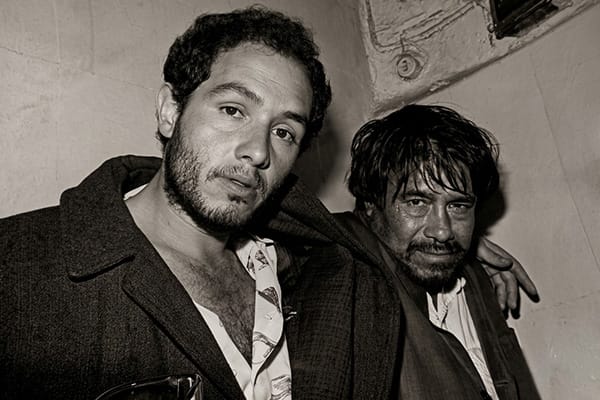
  • "For You Boss" (1980)
    with Tere Velazquez, Mario Almada, Angelica Chain and Gabriel Retes.

    For my performance, I was nominated for Best Supporting Actor at the Silver Goddess Awards, alongside Rafael Banquells and Ignacio Retes. I remember being deeply disappointed when I did not win. People in the industry, however, helped me understand what a privilege it was simply to have been nominated alongside two extraordinary actors with much longer careers than mine.

  • The Legend of Rodrigo (1981) with:
    René Casados
    Fanny Cano
    Aarón Hernán
    Manuel Ojeda
  • The Portrait of a Married Woman (1982) with:
    Alma Muriel
    Gonzalo Vega
    Patricia Reyes
    Espindola
    Ernesto Gomez Cruz

Best Supporting Actor · Diosas de Plata · 1980.
From actor to writer, director & producer

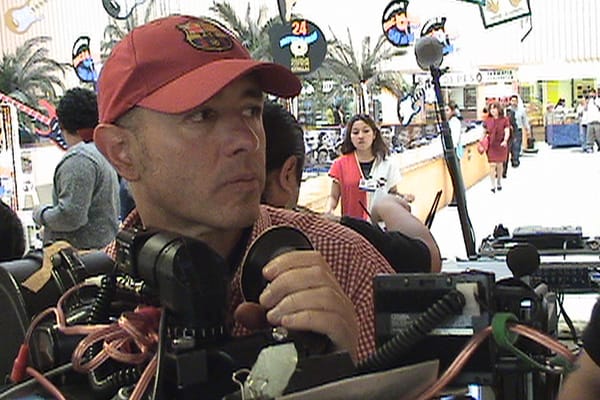
In 1989, I founded my own film production company, ARMAGEDON, and succeeded in financing 100% of my projects independently. Why wait for someone else to call and offer you an acting opportunity? Rather than wait, I decided to create my own opportunities.

  • The Direct-to-Video Era

    I began writing, directing and producing 16mm films for the direct-to-video market at a time when Mexican cinema was largely accessed through the thousands of video rental stores operating throughout the country.

    By 2000, I had completed a total of 24 productions, including: Man With No Mercy (1990) Hades: Life After Death (1991) Marked by Hatred (1992) Easier Said than Done (1993) AIDS: Death Syndrome (1994) The Boozer (1995) Yuri, My True Story (1998)

The Move to 35mm Cinema

In 2001, I began making films in 35 mm. By the early 2000s, Mexican cinema was gaining renewed international visibility, with filmmakers such as Alfonso Cuarón, Luis Mandoki, Guillermo del Toro, and Alejandro González Iñárritu demonstrating the global reach of Mexican filmmaking talent.

I thought, “This is where I belong.” I began producing stories with the same purpose that had always guided my work, to honor God, but now for a more demanding theatrical audience and at a different level of competition.

Making a movie in three weeks is not the same as making one over nine months. With more time, a filmmaker can explore and shoot the same scene in many different ways.

But one principle has remained unchanged: “I refuse to make films that do not contribute something constructive to a world in need of hope”.

A FIRST FEATURE FILM

Critical Point (2001)

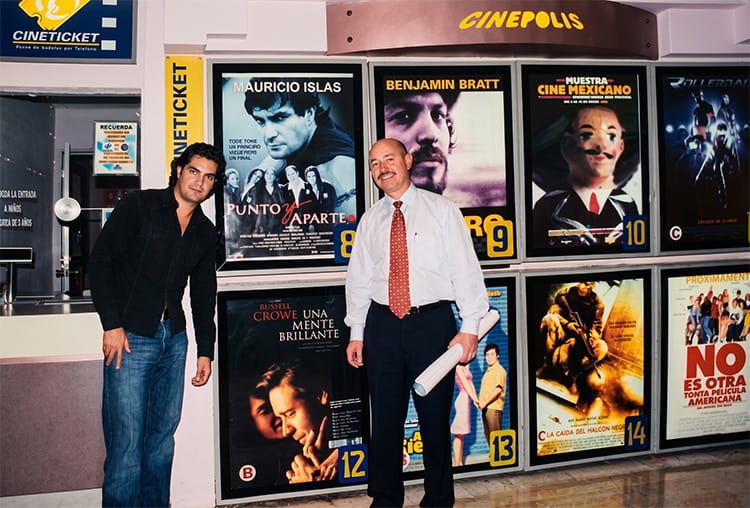
My first feature film addresses abortion through the stories of two young women from different social backgrounds who face unintended pregnancies. I approached one distribution company after another, looking for someone willing to release the film. The earliest release date I was offered was a year away.

That afternoon, I was devastated. I did not understand how the distribution system worked, and I said to God:

“Why did You lead me to make a 35mm film if no one wants to distribute it?”

And He answered: “Who told you to go to the distribution companies?”

“Lord, it’s common sense. That’s what everyone does.”

“Forget common sense. Go directly to the theater owners.”

I thought to myself, “Nobody does that.” But I did.

That is how I met the general managers of Mexico’s major movie theater chains. After seeing the film, they responded enthusiastically, and with their support, we began promoting it throughout the country. A few days before the premiere, I received a call asking me to change the release date because another heavily promoted film was opening that same day. I could not change it. Thousands of posters had already been distributed nationwide announcing the date. Both films performed well.

Thank you, Jesus. Only You could have done it.

Scars (2004)

Original Title: Cicatrices The film explores marital conflict, domestic violence, and the lasting emotional impact of words intended to hurt those closest to us. At its heart, Scars examines the challenges of married life and the consequences of emotional harm within a relationship. The film received four award nominations and won three. Couples who have seen it have told me that it has been a great blessing in their lives. With more than 90 million views on YouTube, Scars has become one of ARMAGEDON’s most widely viewed films in the digital era.

SCARS — Some wounds leave marks on the heart.

 The Holy Death (2006)

Original Title: La Santa Muerte Three stories share a common thread: A mother anguished by her daughter’s terminal illness, a man desperate after losing his job, and a man caught in a passionate affair. Each finds a reason to turn with unwavering devotion to “the White Girl.” But every favor comes at a price, and eventually the time comes to pay.

Family Secrets (2008)

Original Title: Secretos de Familia Paulinita appears to have everything, yet she is missing what she needs most: her parents’ love. When her uncle Manuel comes to visit, a painful reality begins to emerge from behind the family’s outward appearance. Family Secrets explores the devastating consequences of abuse and the truths that families sometimes struggle to confront.

The film received three award nominations and won two.

Pink (2015)

A highly controversial film about a gay couple who adopt a child hoping to bring greater happiness into their home. Their family, however, exists within a society whose established conventions can be difficult to challenge, sometimes resulting in prejudice and bullying.

Pink explores the reactions and conflicts that emerge around a family headed by two fathers. Upon its release, Pink generated sharply divided reactions among audiences and became one of the most debated films in ARMAGEDON’s catalog.


AWARDS & NOMINATIONS

For You Boss

AWARDS & NOMINATIONS

Scars

AWARDS & NOMINATIONS

Family Secrets

AWARDS & NOMINATIONS

The Holy Death

GALLERY

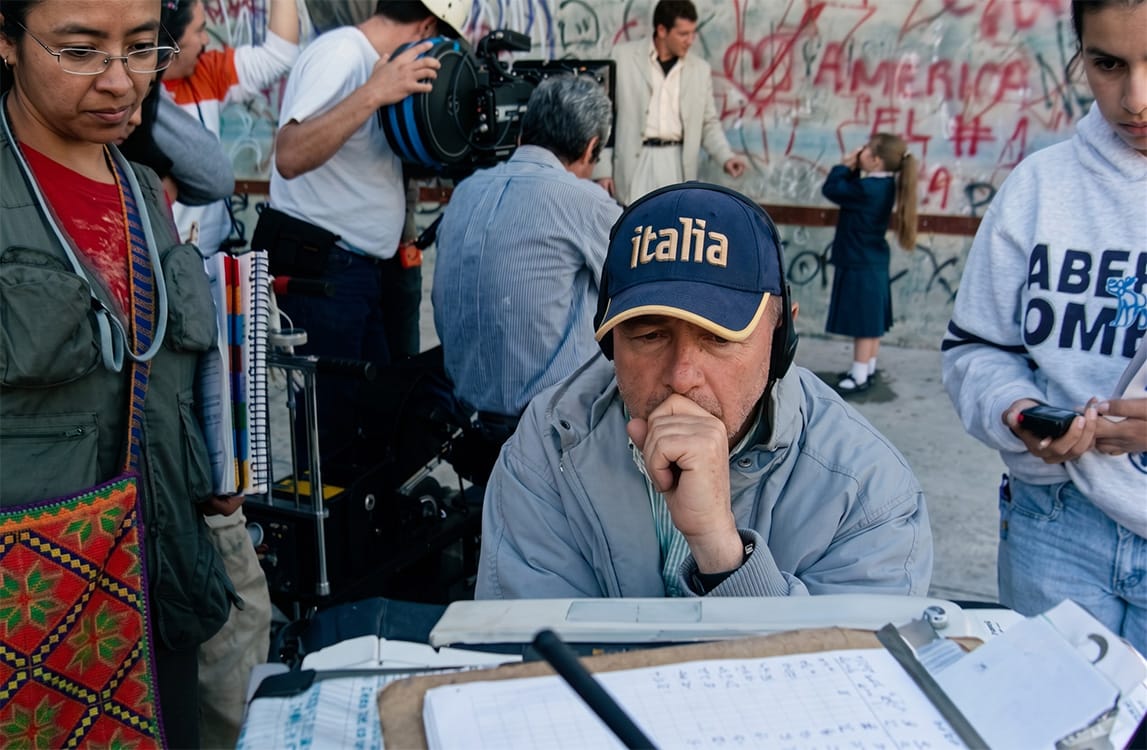
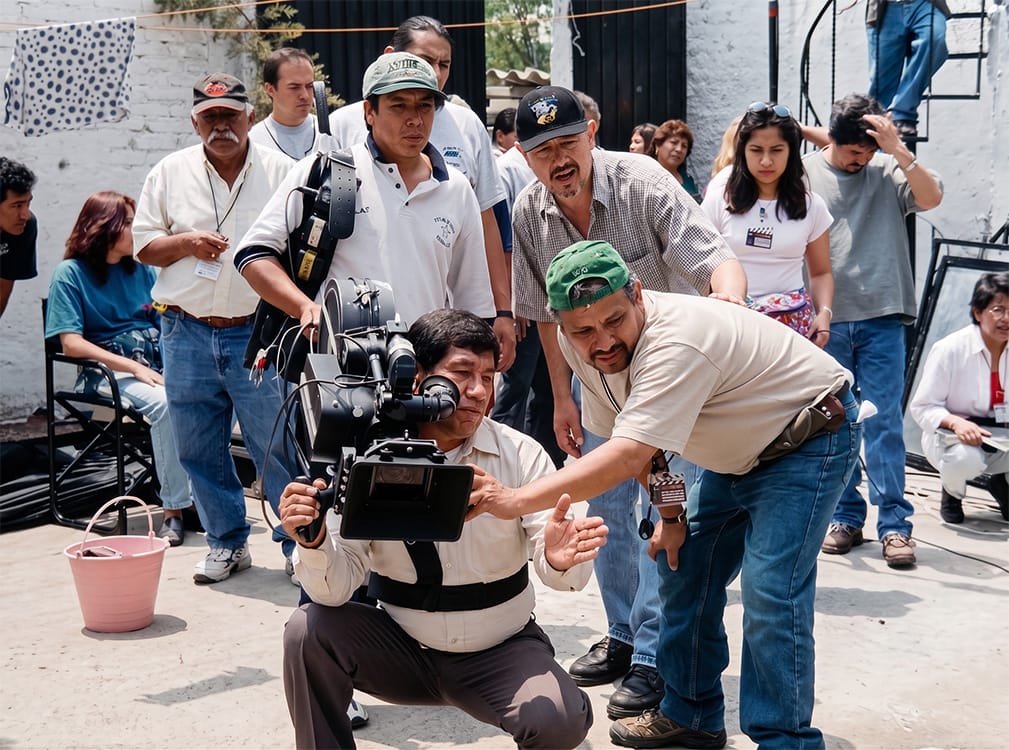
Behind the scenes